2026
Jernbaneteknologi
kompendium
Forord
Dette kompendiet er utarbeidet for studenter i TBM4282 Veg- og jernbaneteknologi 1 og TBA4225 Jernbaneteknologi 2 ved Norges teknisk-naturvitenskapelige universitet (NTNU). Målet er å samle fagstoffet i én helhetlig bok og gi studentene en strukturert oversikt over jernbaneinfrastrukturen: fra trafikkbelastninger og sporkomponenter til geometri, kapasitet, signalanlegg, vedlikehold og jernbanespesifikke miljøvirkninger.
Denne utgaven bygger på undervisningsmateriale som er utviklet og brukt gjennom flere år. Marie Husum Malvik og Julie Hjortland ga viktige bidrag til de første utgavene av kompendiet, og arbeidet deres dannet grunnlaget for den videre utviklingen. Alf Helge Løhren, John Våge, Kjell Arne Skoglund, Thomas Vatn Bjørge, Trine Bye Sagen, Christian Knittler, Kristin Guldberg, Stefano Derosa og Leiv Jørgen Tofte Husøy bidro med forelesningsmateriale og øvrige undervisningsressurser, herunder praktiske eksempler, figurer, fotografier og illustrasjoner, som har styrket kompendiet vesentlig. Teksten bygger også på etablerte lærebøker i jernbaneteknikk, standarder, tekniske referanser og eksempler fra praksis.
En særskilt takk rettes til KONNEKT og Bane NOR for verdifull og langsiktig støtte til undervisningen og utviklingsarbeidet bak dette kompendiet. Støtten har bidratt til å videreutvikle fagstoffet, styrke forbindelsen mellom akademisk kunnskap og praksis i jernbanesektoren og gjøre læringsressursene lettere tilgjengelige for studentene.
ChatGPT og Claude er brukt som støtteverktøy for språkvask, redaksjonell konsistens, teknisk gjennomgang, dokumentforbedring, visuell kvalitetskontroll og utvalgt visuell produksjon. NotebookLM er brukt til å produsere korte forklaringsvideoer og podkaster som valgfrie tillegg til det skriftlige materialet.
Kompendiet vil bli videreutviklet i takt med fagene, endringer i standarder og nye eksempler. Tilbakemeldinger fra studenter, kolleger og samarbeidspartnere i bransjen er derfor viktige for å forbedre både den tekniske nøyaktigheten og lesbarheten.
Albert LauFørsteamanuensis, Dr. Ing.Institutt for bygg- og miljøteknikkNorges teknisk-naturvitenskapelige universitet (NTNU)
Kompendiet
Kapitler
Trafikkbelastning på jernbanespor
Hvordan trafikkbelastninger føres inn i sporet og fordeles gjennom skinner, sviller, ballast og formasjonsplan.
→ 02Overbygning
Skinner, befestigelser, sviller og ballastfritt spor som én lastbærende konstruksjon.
→ 03Ballast
Hvordan form, korngradering, tykkelse, drenering og vedlikehold påvirker sporkvaliteten.
→ 04Sporskader og feil
Skademekanismer, inspeksjonsfunn, risiko og prioritering av tiltak.
→ 05Jernbanemaskiner
Maskiner, arbeidssekvenser, produksjonsbegrensninger og kvalitetskontroll i sporarbeid.
→ 06Underbygning
Banelegeme, løsmasseskjæringer, fyllinger, skråninger, frostsikring og drenering under sporet.
→ 07Geometrisk utforming av spor
Kurver, overhøyde, overgangskurver, stigninger og vertikalkurver.
→ 08Jernbanedrift og kapasitet
Togfølgetid, kapasitet, robusthet i rutetabellen og forsinkelsesforplantning.
→ 09Tog–spor-samvirke
Det koblede kjøretøy–spor-systemet, dynamisk respons, resonans og lastforsterkning.
→ 10Hjul–skinne-samvirke
Kontaktgeometri, krefter, adhesjon, slitasje, rullende kontaktutmattelse og stabilitet.
→ 11Helsveist spor
Temperaturkrefter, nøytraltemperatur, motstand mot solslyng og sikker forvaltning.
→ 12Jernbanestøy og vibrasjoner
Kilder, utbredelse, måling, vurdering og avbøtende tiltak.
→ 13Signal- og sikringsanlegg
Togdeteksjon, kjøretillatelse, sikringsanlegg, blokkstrekninger og ERTMS.
→ 14Profiler og minste tverrsnitt
Profilene som sikrer kompatibilitet mellom kjøretøy, infrastruktur, plattformer og last.
→ 15Kontaktledningsanlegg
Banestrømforsyning, kontaktledningsgeometri, strømavtaking og elektriske grensesnitt.
→ 16Sporveksler og sporkryss
Geometri, komponenter, krefter, sporplaner, inspeksjon og spesielle sporkonstruksjoner.
→ 17Vedlikehold av jernbanespor
Inspeksjon og tiltaksplanlegging, herunder effektiv bruk av jernbanemaskinene som ble introdusert i kapittel 5.
→Daglige jernbanepodkaster
Disse daglige jernbanepodkastene produseres ved hjelp av en KI-assistert arbeidsflyt, først og fremst for forfatterens egen interesse og læring.
Fortellerstemmen genereres med tekst-til-tale (TTS), og navn og faguttrykk kan derfor av og til bli uttalt feil. Episodene kan også inneholde tekniske unøyaktigheter eller utelatelser. Innholdet bør brukes med varsomhet, og viktige opplysninger må kontrolleres mot det skriftlige kompendiet, gjeldende standarder og autoritative kilder.
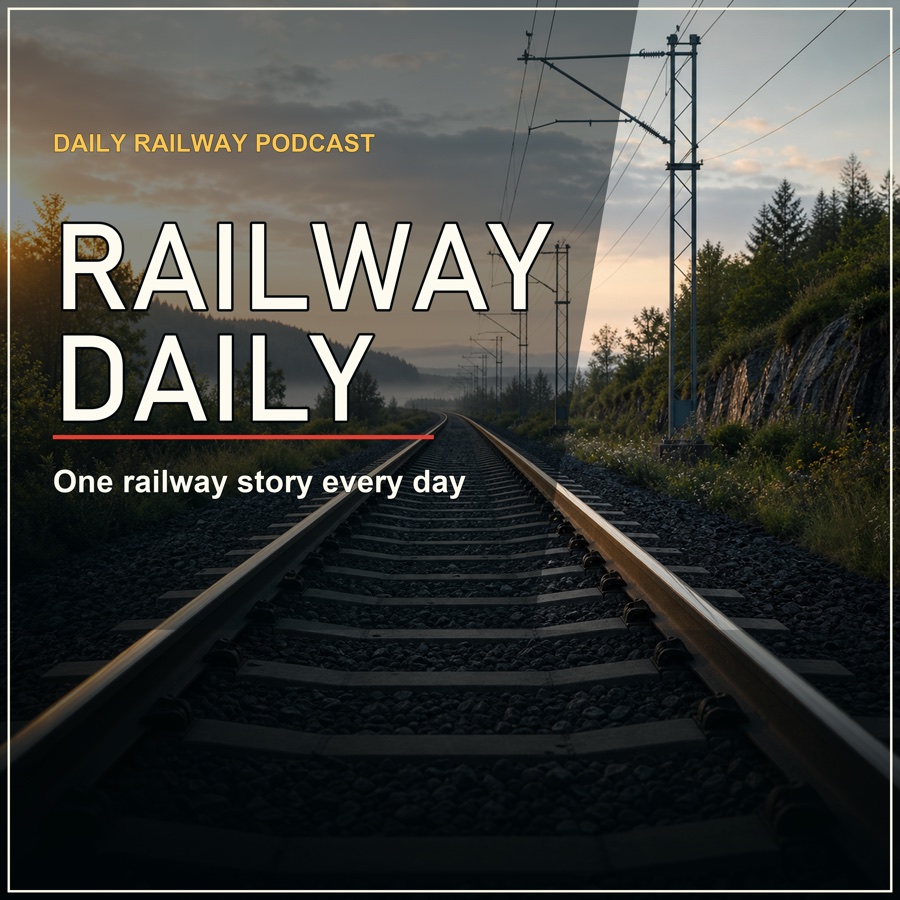
Railway Daily
En daglig jernbanehistorie på engelsk for studenter, fagfolk og nysgjerrige lyttere.

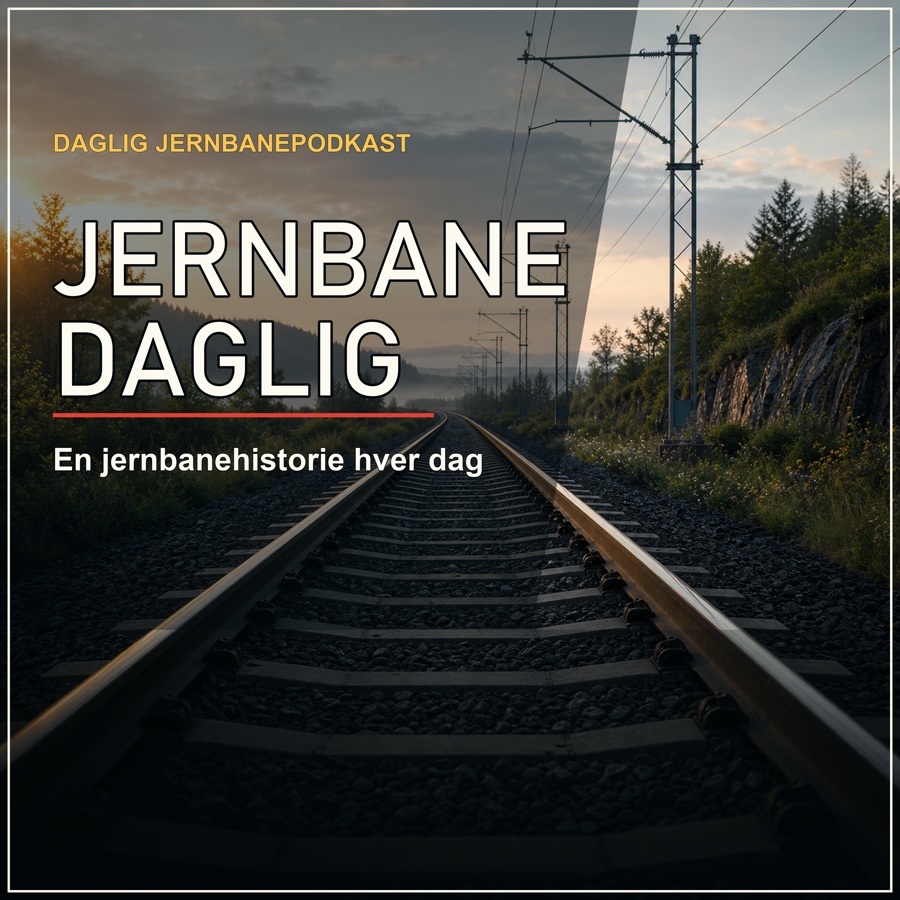
Jernbane daglig
En daglig jernbanehistorie for studenter, fagfolk og nysgjerrige lyttere.

Kontakt